


The Ultimate Guide to Lapis Lazuli: History, Meaning, and Uses
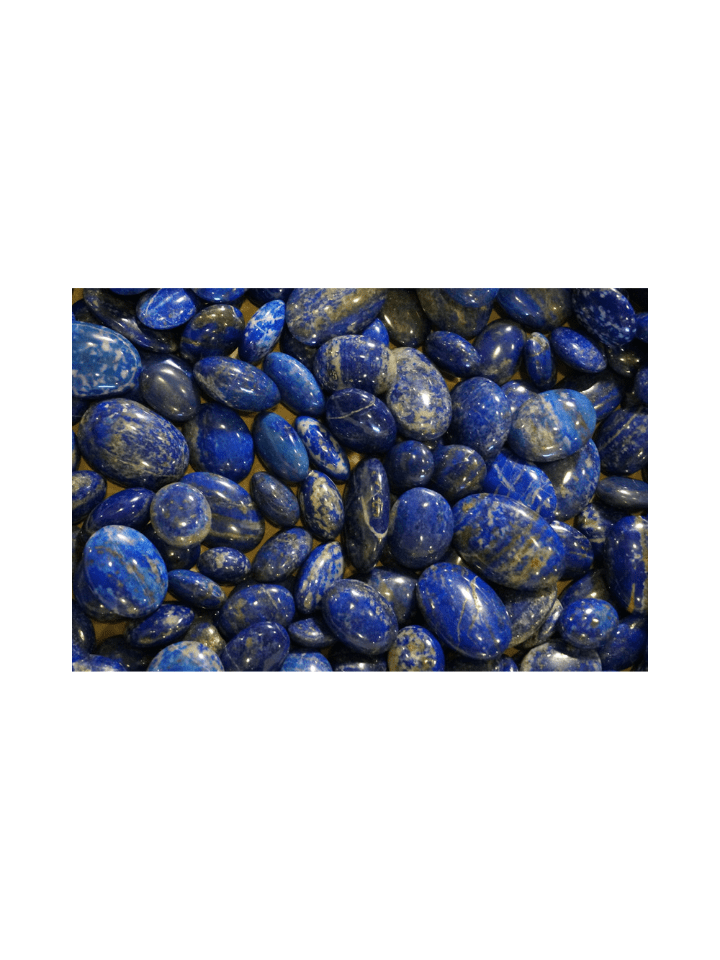
Lapis Lazuli is a striking deep blue metamorphic rock that has captivated humanity for thousands of years. Renowned for its vibrant color, it is primarily composed of lazurite, along with calcite, pyrite, and other minerals, which contribute to its unique appearance. This gemstone has been cherished not only for its beauty but also for its historical significance, often associated with royalty and spirituality.
In ancient civilizations, particularly in Egypt and Mesopotamia, lapis lazuli was used in jewelry, amulets, and even in the burial masks of pharaohs, symbolizing wisdom, truth, and enlightenment. Its rich hue has inspired artists and craftsmen throughout history, leading to its use in paintings and decorative arts, where it was ground into powder to create the brilliant ultramarine pigment.
Table of Contents
-
The Geological Composition of Lapis Lazuli
-
Historical Significance: From Pharaohs to Renaissance Masters
-
Metaphysical Properties and Spiritual Meanings
-
Lapis Lazuli in Modern Jewelry and Care
-
How to Identify Genuine Lapis Lazuli
-
Global Origins and Mining
The Geological Composition of Lapis Lazuli
Unlike most gemstones that are single minerals (like diamonds or sapphires), Lapis Lazuli is technically a metamorphic rock. It forms through the heat and pressure of contact metamorphism, usually within limestone or marble.
To be classified as high-quality Lapis, it must contain a significant percentage of lazurite, which provides that signature celestial blue. However, it is the combination of secondary minerals that gives each piece its character:
-
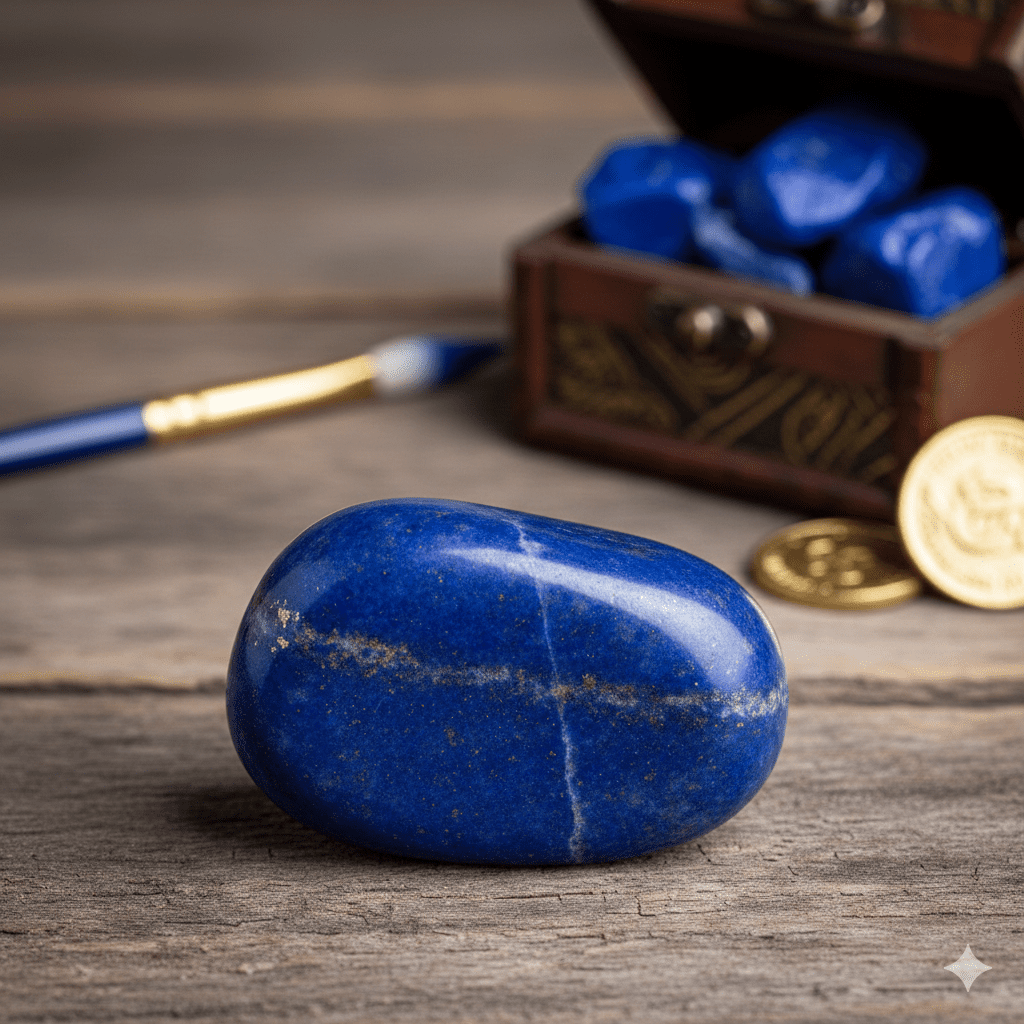
Pyrite: Often seen as gold-flecked inclusions, adding a “starry night” effect.
-
Calcite: White streaks or patches that can lower the value if too prominent.
-
Diopside and Sodalite: Other trace minerals that can affect the depth of the blue hue.
Historical Significance: From Pharaohs to Renaissance Masters
The history of Lapis Lazuli is a journey through the evolution of human art and power. In Ancient Egypt, it was considered more valuable than gold. The funeral mask of King Tutankhamun features stunning inlays of Lapis, used to represent the heavens and the afterlife.
During the Renaissance, the stone underwent a transformation from a solid gem to a liquid medium. By grinding the stone into a fine powder and removing impurities, artists created Ultramarine, the most expensive and sought-after pigment in the world. It was so costly that painters like Michelangelo and Vermeer often reserved it for the robes of the Virgin Mary or high-ranking nobility.
Metaphysical Properties and Spiritual Meanings
In the world of crystal healing and holistic wellness, Lapis Lazuli is known as the “Stone of Truth.” It is deeply connected to the Third Eye and Throat Chakras, making it a powerhouse for communication and intuition.
Key Benefits Include:
-
Enhanced Intellectual Ability: Known as a stone for scholars and researchers, it is believed to aid in memory and analytical thinking.
-
Emotional Healing: Proponents suggest it helps release repressed anger and provides clarity during emotional turmoil.
-
Protection: Ancient cultures believed it acted as a shield against “the evil eye” and psychic attacks, transmuting negative energy into peace.
Lapis Lazuli in Modern Jewelry and Care
Today, Lapis Lazuli remains a favorite for both bohemian and high-end jewelry. Because it sits at a 5 to 5.5 on the Mohs scale of hardness, it is relatively soft compared to many other popular gemstones.
| Feature | Description |
| Best Jewelry Settings | Pendants, earrings, and beads (areas less prone to hard impact). |
| Cleaning Method | Use warm, soapy water only. Never use chemical cleaners. |
| Vulnerability | Sensitive to acids, high heat, and prolonged sunlight. |
| Storage | Store in a soft pouch away from harder stones like Quartz or Diamonds. |
How to Identify Genuine Lapis Lazuli
With the rise of “Sodalite” and dyed “Howlite” being sold as Lapis, knowing how to spot the real deal is essential for collectors.
-
Look for Pyrite: Genuine Lapis almost always has those signature gold flecks. While some very high-grade pieces have minimal pyrite, a complete absence often signals a different stone.
-
Check the Temperature: Real stone feels naturally cold to the touch. Plastic or resin imitations will warm up quickly when held in the hand.
-
The Acetone Test: Rubbing a small, inconspicuous area with a cotton swab dipped in nail polish remover can reveal if the stone has been artificially dyed (the blue color will transfer to the swab).
Global Origins and Mining
The finest specimens of Lapis Lazuli have historically come from the Sar-e-Sang mines in Afghanistan, which have been in continuous operation for over 6,000 years. This location is still the gold standard for “Afghan Blue.” Other notable deposits are found in the Andes Mountains of Chile, as well as in Russia, Canada, and the United States.