

Tea to Boost Your Immunity and Stay Healthy This Winter

Crystal Communitey Shop

by | Dec 28, 2024 | Exotic Tea Guide


organic tea

Contents hide
1 Herbal Teas for Winter Wellness: Natural Health BenefitsThe consumption of herbal tea such as cinnamon, ginger, peppermint, basil, and chamomile during the winter months offers a multitude of health benefits that can enhance overall well-being. These natural, caffeine-free beverages deliver gentle warmth on cold days while supporting the body’s defenses against seasonal challenges like dry air, lower immunity, sluggish digestion, poor circulation, stress, and frequent minor illnesses. By making herbal teas a regular part of your routine, you can enjoy both comfort and meaningful contributions to physical and mental health throughout the colder season.
1.1 Cinnamon Tea: Regulating Blood Sugar and Boosting CirculationCinnamon tea is especially valued for its ability to help regulate blood sugar levels and promote healthy circulation. When temperatures drop, many people experience reduced blood flow, leading to cold extremities, stiffness, or even mild discomfort in the hands and feet. Cinnamon contains bioactive compounds like cinnamaldehyde that support vasodilation and improve peripheral circulation. Its natural antioxidants also help reduce oxidative stress, which tends to increase during winter due to indoor heating and less fresh produce consumption. Additionally, cinnamon has been studied for its positive effects on insulin sensitivity, making it a smart choice for maintaining stable energy levels when holiday foods and irregular schedules can disrupt metabolism. The warm, sweetly spiced flavor brings instant coziness to any winter afternoon or evening.
1.1.1 Ginger Tea: Warming Remedy for Digestion and ImmunityGinger tea remains one of the most popular winter remedies thanks to its powerful warming qualities and digestive support. The key active compound, gingerol, delivers anti-inflammatory, antiviral, and antibacterial effects that can help the body fend off common winter bugs. Ginger stimulates circulation from the inside out, encouraging a gentle internal heat that counters the chill of the season. It is particularly effective at easing nausea, bloating, and indigestion—issues that often arise when people eat richer, heavier meals in colder weather. Sipping ginger tea can soothe a sore throat, reduce congestion by promoting mild perspiration, and provide relief from coughs or sinus pressure. Its bold, spicy taste wakes up the senses and makes it an excellent pick-me-up on gray, dreary days.
1.1.1.1 Peppermint Tea: Refreshing Relief for Digestion and CongestionPeppermint tea brings a refreshing contrast with its cooling menthol sensation, yet it still feels comforting when served hot. This herb excels at calming the digestive system, relieving cramps, gas, irritable bowel discomfort, and general stomach upset that can accompany seasonal diet changes. Peppermint also acts as a natural decongestant, helping to open nasal passages and ease breathing when winter colds or dry indoor air cause stuffiness. Many people find it helpful for tension headaches or mild muscle aches caused by cold weather or stress. Because it is naturally caffeine-free and has an uplifting minty aroma, peppermint tea is suitable at any hour and can brighten mood during shorter daylight hours.
1.1.1.1.1 Basil Tea: Antioxidant Support and Stress ReliefBasil tea, frequently prepared from holy basil (tulsi) or fresh sweet basil leaves, stands out for its rich antioxidant content and adaptogenic properties. Compounds such as eugenol and ursolic acid help combat inflammation and protect cells from oxidative damage, which supports immune function when viruses are more prevalent. Basil tea is especially useful for managing stress and mild anxiety that often intensify during winter due to reduced sunlight, holiday pressures, or isolation. By helping balance cortisol levels, it promotes mental clarity, emotional resilience, and a sense of calm. The subtle, herbaceous flavor pairs beautifully with a touch of honey, creating a soothing ritual that feels nurturing on long winter nights.
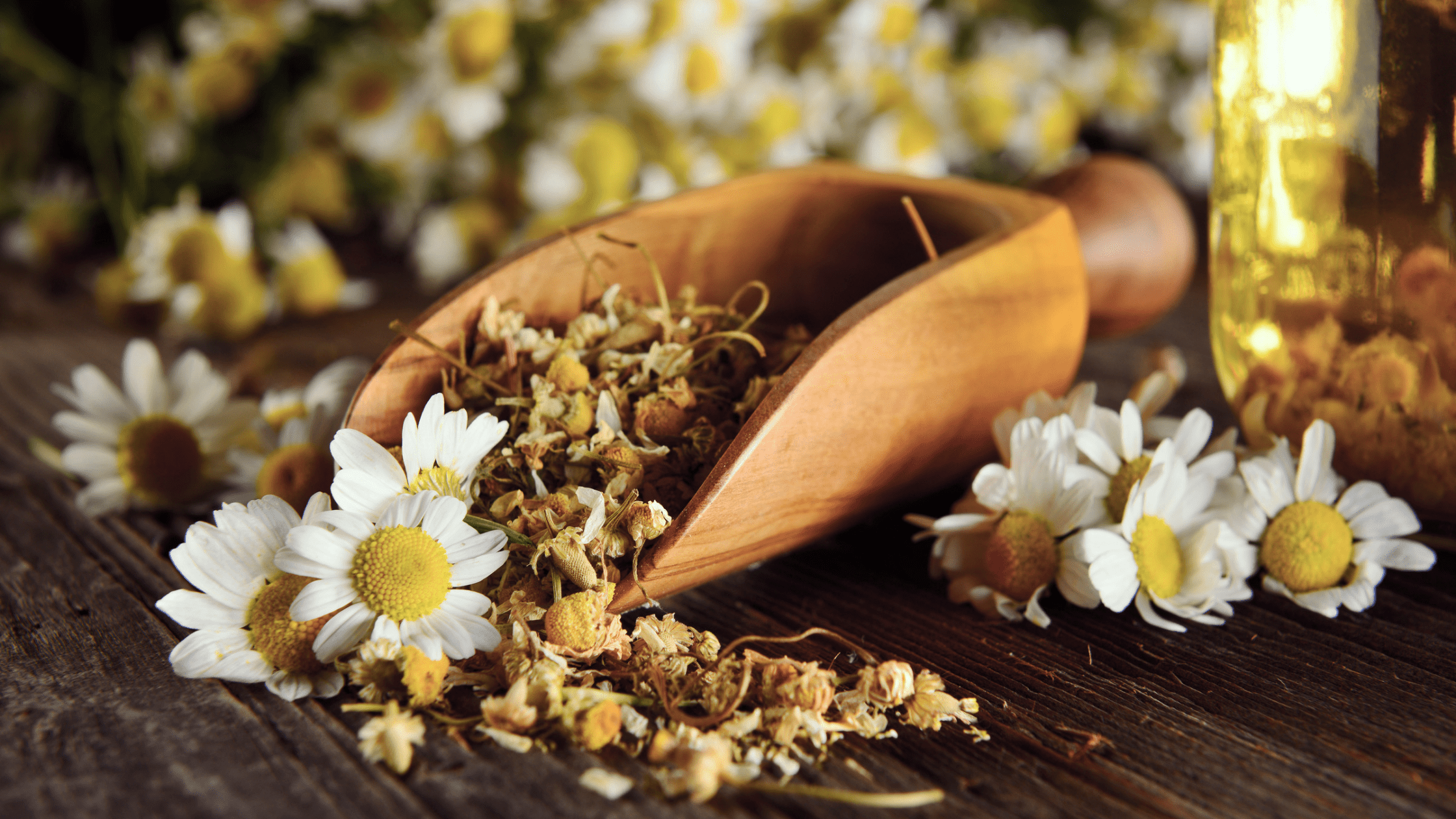
1.1.1.1.1.1 Chamomile Tea: Calming Effects and Better SleepChamomile tea is perhaps the most well-known for its relaxing and sleep-promoting effects. The flavonoid apigenin binds to certain receptors in the brain, encouraging a gentle sedative action that reduces anxiety and prepares the body for restful sleep. Quality sleep becomes even more important in winter, when disrupted circadian rhythms from limited daylight can lead to fatigue, low mood, or weakened immunity. Chamomile also offers mild anti-inflammatory benefits that can soothe a scratchy throat or irritated sinuses caused by dry heated air. Its delicate apple-like flavor and floral aroma make it a favorite bedtime companion. Why Herbal Teas Shine in Winter and How to Enjoy Them Together, these herbal teas provide warmth, hydration, and targeted support for common winter concerns. They are simple to prepare at home: use fresh or dried herbs, steep in freshly boiled water for five to ten minutes, and customize with natural additions like lemon, honey, or a pinch of spice to enhance both taste and benefits. Experimenting with combinations—such as ginger and cinnamon for an immune-strengthening blend or peppermint and chamomile for digestive and relaxation support—allows you to tailor your daily cup to your specific needs. Incorporating herbal teas into your winter habits is an easy, enjoyable way to nurture your body and mind through the season’s demands. Consistent use can help maintain energy, support immunity, ease discomfort, and foster a greater sense of calm and well-being until spring arrives.Visit us in Centennial Colorado !

Herbal Teas for Winter Wellness: Natural Health BenefitsThe consumption of herbal tea such as cinnamon, ginger, peppermint, basil, and chamomile during the winter months offers a multitude of health benefits that can enhance overall well-being. These natural, caffeine-free beverages deliver gentle warmth on cold days while supporting the body’s defenses against seasonal challenges like dry air, lower immunity, sluggish digestion, poor circulation, stress, and frequent minor illnesses. By making herbal teas a regular part of your routine, you can enjoy both comfort and meaningful contributions to physical and mental health throughout the colder season.

Cinnamon Tea: Regulating Blood Sugar and Boosting CirculationCinnamon tea is especially valued for its ability to help regulate blood sugar levels and promote healthy circulation. When temperatures drop, many people experience reduced blood flow, leading to cold extremities, stiffness, or even mild discomfort in the hands and feet. Cinnamon contains bioactive compounds like cinnamaldehyde that support vasodilation and improve peripheral circulation. Its natural antioxidants also help reduce oxidative stress, which tends to increase during winter due to indoor heating and less fresh produce consumption. Additionally, cinnamon has been studied for its positive effects on insulin sensitivity, making it a smart choice for maintaining stable energy levels when holiday foods and irregular schedules can disrupt metabolism. The warm, sweetly spiced flavor brings instant coziness to any winter afternoon or evening.

Ginger Tea: Warming Remedy for Digestion and ImmunityGinger tea remains one of the most popular winter remedies thanks to its powerful warming qualities and digestive support. The key active compound, gingerol, delivers anti-inflammatory, antiviral, and antibacterial effects that can help the body fend off common winter bugs. Ginger stimulates circulation from the inside out, encouraging a gentle internal heat that counters the chill of the season. It is particularly effective at easing nausea, bloating, and indigestion—issues that often arise when people eat richer, heavier meals in colder weather. Sipping ginger tea can soothe a sore throat, reduce congestion by promoting mild perspiration, and provide relief from coughs or sinus pressure. Its bold, spicy taste wakes up the senses and makes it an excellent pick-me-up on gray, dreary days.

Peppermint Tea: Refreshing Relief for Digestion and CongestionPeppermint tea brings a refreshing contrast with its cooling menthol sensation, yet it still feels comforting when served hot. This herb excels at calming the digestive system, relieving cramps, gas, irritable bowel discomfort, and general stomach upset that can accompany seasonal diet changes. Peppermint also acts as a natural decongestant, helping to open nasal passages and ease breathing when winter colds or dry indoor air cause stuffiness. Many people find it helpful for tension headaches or mild muscle aches caused by cold weather or stress. Because it is naturally caffeine-free and has an uplifting minty aroma, peppermint tea is suitable at any hour and can brighten mood during shorter daylight hours.

Basil Tea: Antioxidant Support and Stress ReliefBasil tea, frequently prepared from holy basil (tulsi) or fresh sweet basil leaves, stands out for its rich antioxidant content and adaptogenic properties. Compounds such as eugenol and ursolic acid help combat inflammation and protect cells from oxidative damage, which supports immune function when viruses are more prevalent. Basil tea is especially useful for managing stress and mild anxiety that often intensify during winter due to reduced sunlight, holiday pressures, or isolation. By helping balance cortisol levels, it promotes mental clarity, emotional resilience, and a sense of calm. The subtle, herbaceous flavor pairs beautifully with a touch of honey, creating a soothing ritual that feels nurturing on long winter nights.
Chamomile Tea: Calming Effects and Better SleepChamomile tea is perhaps the most well-known for its relaxing and sleep-promoting effects. The flavonoid apigenin binds to certain receptors in the brain, encouraging a gentle sedative action that reduces anxiety and prepares the body for restful sleep. Quality sleep becomes even more important in winter, when disrupted circadian rhythms from limited daylight can lead to fatigue, low mood, or weakened immunity. Chamomile also offers mild anti-inflammatory benefits that can soothe a scratchy throat or irritated sinuses caused by dry heated air. Its delicate apple-like flavor and floral aroma make it a favorite bedtime companion.
Why Herbal Teas Shine in Winter and How to Enjoy Them
Together, these herbal teas provide warmth, hydration, and targeted support for common winter concerns. They are simple to prepare at home: use fresh or dried herbs, steep in freshly boiled water for five to ten minutes, and customize with natural additions like lemon, honey, or a pinch of spice to enhance both taste and benefits. Experimenting with combinations—such as ginger and cinnamon for an immune-strengthening blend or peppermint and chamomile for digestive and relaxation support—allows you to tailor your daily cup to your specific needs.
Incorporating herbal teas into your winter habits is an easy, enjoyable way to nurture your body and mind through the season’s demands. Consistent use can help maintain energy, support immunity, ease discomfort, and foster a greater sense of calm and well-being until spring arrives.Visit us in Centennial Colorado !